
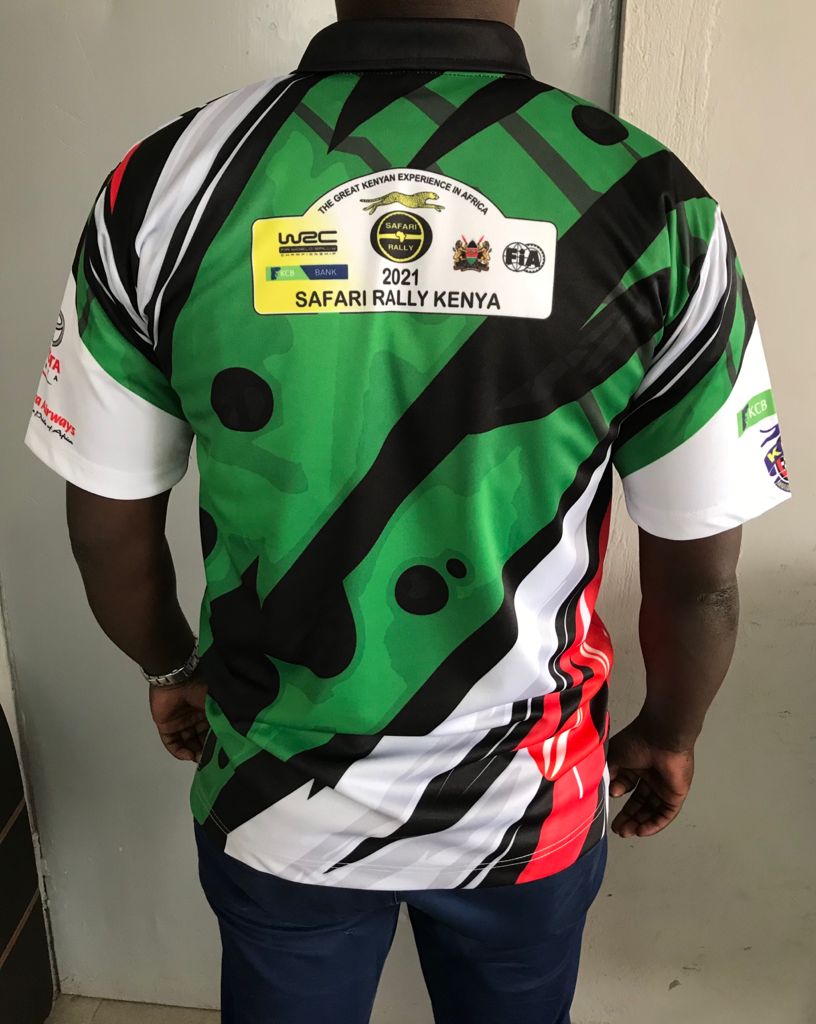
3D T-shirt printing is a group of decoration methods that give a design raised texture or the look of depth on fabric. The main techniques are 3D puff screen printing, high-density silicone ink, 3D (raised) DTF, and all-over digital printing designed to create an optical 3D effect. Waves Branding, a Nairobi printing and branding company, prints apparel using DTF, dye sublimation, heat transfer, and embroidery. Message us on WhatsApp at +254 794 314 431 to see samples.
Past Works

What “3D T-shirt printing” actually means
The phrase covers two different things, and mixing them up leads to wrong orders.
- Physically raised prints. The ink or film has real thickness. You can feel the design with your fingers. Examples are puff and high-density silicone.
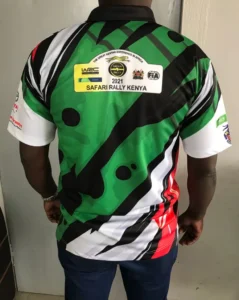
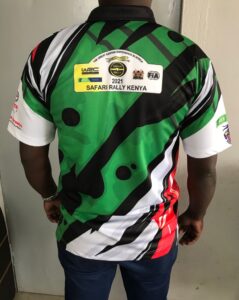
- 3D-effect prints. The surface is flat, but shading, perspective and pattern make the design look dimensional. This is typical of all-over digital printing.
Is there a “3D T-shirt printing machine”? Not as a single device. A 3D printer in the additive-manufacturing sense builds plastic objects layer by layer and does not decorate garments. Raised apparel prints come from a process chain: a screen press with special inks, or a DTF printer plus a heat press, or a sublimation printer plus a calender or heat press. The sections below name the equipment each chain uses.
The four main techniques compared
| Technique | Raised or flat? | Equipment | Best for | Main limitation |
|---|---|---|---|---|
| 3D puff screen printing | Raised, soft, foam-like | Screen press, puff ink, heat curing | Bold logos, lettering, caps, hoodies | Fine detail and gradients are hard |
| High-density silicone ink | Raised, firm, rubbery | Screen press, thick silicone ink, curing | Sportswear, grip patterns, premium logos | Heavier hand-feel; best on stable fabrics |
| 3D (raised) DTF | Raised film layer on top of a printed transfer | DTF printer, adhesive powder, heat press | Multi-colour designs in small to medium runs | Needs correct pressing to bond properly |
| Optical 3D all-over digital print | Flat, 3D look only | Sublimation printer and heat press or calender | Hoodies, jerseys, full-body designs | Works best on polyester or polyester-rich fabric |
1. 3D puff screen printing
Puff printing uses ink that contains a heat-reactive additive. After the ink is printed through a screen, heat makes it expand, which creates a soft raised surface. Because ink is applied through a stencil, puff suits bold shapes and thick lettering better than hairline detail.
Best for: logos, team names, caps and hoodies where texture is the point.
2. High-density silicone ink
High-density (HD) silicone ink is printed through a screen in thicker layers. It cures to a firm, flexible, rubber-like finish. It is common on sportswear because the raised surface can add grip and a premium feel.
Best for: sports kits, athleisure and branded apparel where a “rubber” texture is wanted.
3. 3D (raised) DTF
Direct-to-film (DTF) prints a design onto a film, adds adhesive powder, cures it, and heat-presses it onto the garment. Raised variants add extra layers or textured film to create height. DTF’s main strength is full-colour detail without a separate screen for every colour, which suits small and mixed-design orders.
Best for: colourful logos and designs on cotton, blends and many other fabrics, in small to medium quantities.
4. Optical 3D all-over digital printing
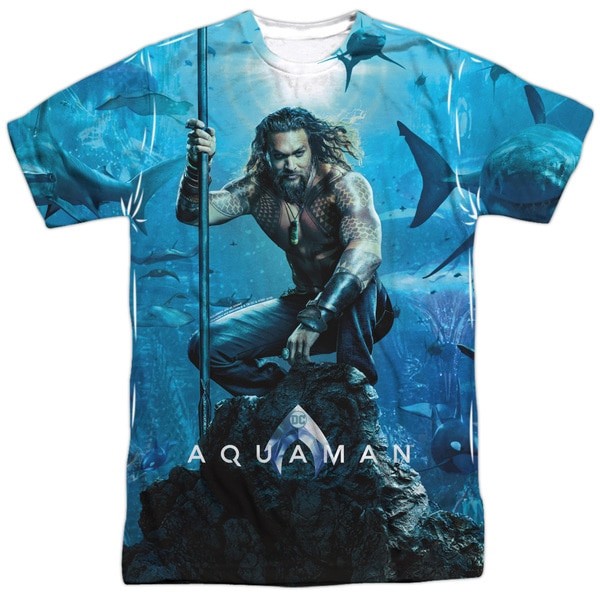
This method does not add physical height. The artwork is designed with depth cues, such as shadows, layered patterns, perspective or geometric illusions, and printed across the whole garment using dye sublimation. Dye sublimation turns ink into gas under heat and pressure so it bonds into polyester fibres, which means the print has no thickness and does not crack.
Best for: hoodies, jerseys, tracksuits and any design that needs edge-to-edge colour.
Industrial equipment vs a basic setup – why it affects wash life
Print durability depends on process control more than on the technique’s name. Compare the two ends of the market:
| Factor | Commercial setup | Basic or improvised setup |
|---|---|---|
| Temperature | Controlled and repeatable | Often guessed |
| Pressure and time | Set per fabric and measured | Varies press to press |
| Curing | Matched to the ink or film specification | Under-cured or over-cured prints |
| Materials | Specified inks, films and powders from known suppliers | Mixed or unbranded consumables |
| Testing | Wash and stretch tests on the fabric used | Often none |
How to choose the right technique
- How will the garment be used and washed? Uniforms and sportswear washed often need a durability test on your actual fabric.
- Is the design bold and simple, or detailed and multi-colour? Bold suggests puff or silicone. Detailed suggests DTF or all-over digital.
- What is the fabric? Polyester suits dye sublimation. Cotton and blends suit screen-based or DTF methods.
- How many pieces? Small and mixed runs favour DTF. Larger single-design runs can favour screen methods.
- Do you want to feel the print, or only see depth? Feel means puff, silicone or raised DTF. See only means optical all-over printing.
Who orders 3D-effect Apparel
Fashion brand owners, corporate teams, schools, sports clubs, hospitality groups and event organisers use dimensional printing when a flat logo will not stand out. Waves Branding has served corporate companies, NGOs, schools, sports clubs, events and hospitality since 2018.
See and feel the textures at our Nairobi showroom
Photos do not show texture. Visit our showroom at Waves Branding House, Keekorok Road, Nairobi CBD to handle physical print samples and compare finishes side by side. Bring your logo file and a sample garment if you have one.
WhatsApp us on +254 794 314 431 to book a visit or request a quote. You can also email sales@wavesbranding.co.ke.