

In logistics, safety isn’t optional. It’s operational.
Every loading yard, warehouse floor, highway delivery stop, and container depot exposes your teams to moving vehicles, heavy equipment, low-light conditions, and unpredictable environments. When visibility fails, accidents happen. And when safety standards are inconsistent, liability increases.
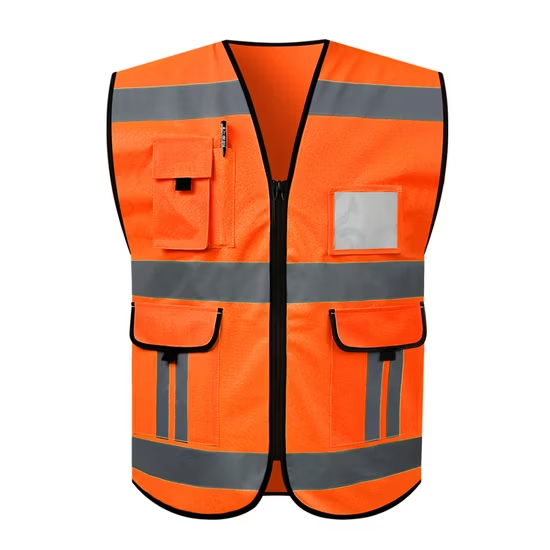
For logistics companies in Kenya, branded reflective vests are not just a compliance item — they are a frontline risk-control asset and a visible extension of your company’s professional standards.
Yet many operations managers and HSE officers still make one costly mistake: sourcing low-quality, heat-transfer printed reflective vests that fade, peel, tear, and require constant replacement.
This guide explains how to choose branded sublimation reflective vests for logistics companies, what compliance and durability factors to evaluate, and how to standardize safety wear across multiple branches without overspending or compromising quality.
If you are sourcing in bulk and require durable, high-visibility safety vests with long-term cost efficiency, this guide is for you.
Why Standardization Matters in Logistics Safety Operations
Logistics environments are high-risk by design. Forklifts operate continuously. Trucks reverse into loading bays. Yard teams move between blind spots. Night shifts reduce visibility. In these environments, high visibility reflective vests are not a formality — they are a legal and operational requirement.

Compliance and Risk Exposure
Under occupational health and safety regulations, employers are required to provide appropriate personal protective equipment (PPE), including high-visibility clothing where necessary. For transport yards, warehouses, freight terminals, and construction-linked logistics operations, reflective safety vests are typically mandatory.
Failure to provide compliant PPE can lead to:
- Regulatory penalties
- Increased workplace injury claims
- Insurance complications
- Operational shutdown risks
- Reputational damage
But compliance is only the baseline. The real question is whether your safety wear performs under real working conditions.
The Hidden Cost of Inconsistent PPE
Many logistics companies purchase safety vests from multiple suppliers or opt for the cheapest available option during urgent procurement cycles. The result?
- Inconsistent fabric quality
- Weak reflective strips that degrade quickly
- Logos that peel after a few washes
- Poor stitching that tears under strain
- Teams wearing mismatched or faded uniforms
This isn’t just a visual issue. It signals poor operational discipline and undermines brand credibility at depots, client sites, and inspection points.
Standardizing branded reflective vests across all branches ensures:
- Uniform compliance
- Clear role identification
- Strong brand visibility
- Predictable reorder cycles
- Lower long-term replacement costs
For logistics firms scaling operations across Nairobi and industrial hubs in Kenya, this consistency becomes critical.
Frequently Asked Questions About Branded Sublimation Reflective Vests for Logistics Companies
What is the best material for reflective safety vests in logistics operations?
For logistics and warehouse environments, the best material for reflective safety vests is a durable, breathable polyester fabric designed for high-visibility performance.
Look for:
Medium to high GSM polyester blends
Breathable mesh for hot conditions
Tear-resistant weave
Fabric compatible with dye sublimation printing
Thin, low-quality polyester may be cheaper upfront, but it degrades quickly under daily operational use. For transport yards, freight depots, and warehouse environments in Kenya, durability should be prioritized over cost alone.
Are sublimation reflective vests more durable than heat transfer printed vests?
Yes. Sublimation reflective vests are significantly more durable than heat transfer printed vests.
With heat transfer printing, the logo sits on top of the fabric. Over time, especially with washing and friction, it may crack, peel, or fade.
With dye sublimation:
1. The ink is infused into the fabric fibers
2. There is no raised surface layer
3. The logo does not peel
4. Colors remain vibrant longer
For logistics companies placing bulk orders, sublimation printing reduces replacement frequency and improves long-term cost efficiency.
Do branded reflective vests meet OSHA and safety compliance requirements in Kenya?
High visibility vests must meet occupational safety requirements based on visibility standards, reflective strip placement, and appropriate fabric brightness.
Compliance depends on:
1. Reflective strip width and placement
2. Front and back visibility coverage
3. Fluorescent base fabric
4. Secure stitching of reflective bands
When sourcing branded sublimation reflective vests in Kenya, ensure your supplier understands industrial safety requirements and can explain how their vests align with workplace safety regulations.
Procurement managers should always verify compliance before bulk approval.
What is the minimum order quantity for branded reflective vests?
Minimum order quantities (MOQs) vary depending on customization and production method.
For most bulk safety vest suppliers in Kenya, MOQs typically start from:
20–50 units for small corporate batches
100+ units for standardized logistics rollouts
500+ units for multi-branch deployments
Logistics companies seeking long-term uniform standardization should plan bulk procurement to reduce per-unit costs and ensure consistent production quality.
Retail, single-piece orders are generally not suitable for industrial sublimation production workflows.
Can reflective vests be customized by department or role?
Yes. Many logistics companies customize safety vests for internal clarity and operational control.
Customization options include:
1. Department-specific colors
2. Supervisor identification panels
3. Printed job titles (Operations, HSE, Fleet, Security)
4. Name tags integration
5. Large back branding for site visibility
This approach improves accountability, role identification, and overall site coordination.
How long do sublimation reflective vests typically last?
The lifespan of sublimation reflective vests depends on the frequency of use and environmental exposure.
Under typical logistics conditions (daily use, regular washing, outdoor exposure), high-quality sublimated vests can last:
12–24 months with proper care
Lower-grade heat transfer vests may show visible degradation within a few months.
For logistics procurement teams, lifecycle durability should be evaluated alongside per-unit pricing.
What factors affect the cost of branded safety vests in Kenya?
Pricing for branded reflective vests depends on:
a). Fabric grade and GSM weight
b). Reflective strip quality
c). Sublimation print coverage
d). Quantity ordered
e). Stitching reinforcement
f). Customization complexity
Higher quality materials and sublimation printing may increase upfront cost but significantly reduce replacement frequency and long-term expenditure.
Bulk ordering typically lowers the per-unit price.
Should logistics companies use one supplier for all branches?
Yes. Standardizing through a single corporate uniform supplier in Kenya ensures:
a) Consistent branding
b) Uniform compliance standards
c) Centralized procurement control
d) Easier reorder cycles
e) Better pricing tiers
Using multiple suppliers often results in inconsistent quality and visual mismatches across branches.
How can logistics companies standardize safety vest procurement?
A structured procurement approach includes:
A) Defining fabric and reflective specifications
B) Approving pre-production samples
C) Creating standardized branding files
D) Setting minimum reorder levels
E) Scheduling quarterly or bi-annual replenishment
Working with a supplier experienced in bulk B2B production simplifies this process and reduces operational friction.
What Is Sublimation Printing — And Why It Outperforms Traditional Methods?
When evaluating a high-visibility vest supplier in Nairobi, the printing method matters as much as the fabric.
Most low-cost safety vests use heat transfer or vinyl logo application. These methods apply graphics on top of the fabric surface. Over time, especially with repeated washing, friction, and exposure to sun, the logo begins to crack, peel, or fade.
For logistics teams working outdoors, this deterioration happens quickly.
How Dye Sublimation Works
Dye sublimation printing is fundamentally different.
Instead of sitting on top of the material, sublimation ink is infused directly into the fabric fibers using heat and pressure. The ink becomes part of the fabric structure itself.
The result:
- No peeling
- No cracking
- No heavy print texture
- No fading from regular washing
For branded sublimation reflective vests, this means your company logo remains vibrant and professional even after repeated industrial use.
Why Sublimation Reflective Vests Are Ideal for Logistics Companies
Logistics operations demand durability. Teams may wear safety vests daily for 8–12-hour shifts in:
- High heat
- Dusty environments
- Rain exposure
- Direct sunlight
- High-friction warehouse settings

Sublimation reflective vests are designed to withstand:
- Frequent washing
- Outdoor UV exposure
- Abrasion from equipment
- Long-term operational wear
When compared to heat transfer printing, sublimation offers significantly longer lifecycle value. While the upfront unit cost may be slightly higher, the replacement frequency is dramatically reduced.
For procurement teams focused on long-term budget efficiency, this distinction matters.
Key Features to Look for When Buying Branded Reflective Vests in Bulk
If you are sourcing reflective vest printing in Kenya, don’t evaluate based on price alone. Assess structural integrity and compliance.
Here are the critical elements to inspect:
1. Fabric Quality and GSM Weight
The base fabric determines breathability and durability.
Look for:
- Lightweight but tear-resistant polyester blends
- Breathable mesh panels for hot environments
- Industrial-grade stitching on seams
- Fabric that maintains shape after washing
Thin, low-GSM fabrics may be cheaper but degrade quickly under warehouse stress.
2. Reflective Strip Quality and Placement
Not all reflective tape is equal.
Key considerations:
- High-intensity reflective strips
- Proper front and back coverage
- Compliance with high-visibility positioning standards
- Secure stitching of reflective bands
Poor-quality reflective strips may detach or lose reflectivity after exposure to sun and rain — a serious safety hazard.
3. Stitching and Reinforcement
Examine stress points:
- Shoulder seams
- Zipper areas
- Side closures
- Velcro attachments
Double stitching significantly extends product lifespan. Logistics companies placing bulk orders should request sample inspection before final approval.
4. Logo Visibility and Contrast
Branding on high-visibility vests must not compromise safety visibility.
Best practices include:
- High-contrast logo placement
- Large back-panel branding for site identification
- Department labeling (Operations, HSE, Supervisors)
- Optional name tag integration
The goal is to balance brand presence with safety clarity.
How to Evaluate a Safety Vest Supplier in Kenya
Not all suppliers are built for enterprise procurement.
When choosing a bulk safety vest supplier in Kenya, ask:
Do They Offer True Bulk Production Capacity?
- What is the minimum order quantity?
- Can they handle 500–2,000 units consistently?
- What is the turnaround time?
- Do they manage repeat orders efficiently?
Retail-focused printers are not designed for logistics-scale supply chains.
Do They Provide Pre-Production Samples?
Before approving large orders, you should receive:
- Fabric samples
- Reflective strip inspection
- Logo color confirmation
- Stitching quality verification
This prevents expensive reprints and compliance failures.
Do They Specialize in B2B Clients?
A corporate uniform supplier in Kenya should understand:
- Procurement processes
- Documentation requirements
- Bulk invoicing
- Multi-branch distribution coordination
Logistics companies need reliability — not trial-and-error suppliers.
Common Procurement Mistakes Logistics Companies Make When Ordering Reflective Vests
Most logistics companies don’t overspend on safety vests.
They underthink them.
And that’s where the real cost begins.
Below are the most common mistakes operations managers and procurement officers make when sourcing branded sublimation reflective vests in Kenya — and how to avoid them.
1. Choosing the Cheapest Supplier Instead of the Most Durable Option
Price per unit is visible. Lifecycle cost is not.
Low-cost safety vests are often used:
- Thin, low-GSM polyester
- Weak reflective tape
- Surface-level heat transfer logos
- Single-line stitching
The vest looks fine on delivery day.
Three months later:
- Logos start peeling
- Reflective strips loosen
- Seams tear under strain
- Fabric loses shape after washing
Now you’re reordering.
If your team of 300 warehouse and field staff requires replacement twice per year instead of once, you’ve doubled your annual PPE cost.
Procurement should evaluate:
- Wash durability
- UV resistance
- Stitching reinforcement
- Sublimation vs heat transfer print method
Bulk safety vest procurement should be a 12–24-month cost strategy, not a 3-month patch job.
2. Ignoring Reflective Strip Compliance and Placement Standards
Not all reflective vests meet the visibility standards required for industrial and logistics environments.
Common oversight:
- Inadequate back coverage
- Thin reflective strips
- Poor strip stitching
- Reflective tape that loses intensity after exposure
In low-light loading yards or night transport operations, this becomes a real safety hazard.
High visibility vest suppliers in Nairobi should be able to explain:
- Strip width specifications
- Placement standards
- Reflectivity grade
- The stitching method used to secure reflective bands
If a supplier cannot explain these technical details clearly, they are likely not specialized in industrial PPE production.
3. Using Heat Transfer Instead of Sublimation for Logo Printing
This is one of the most common branding failures in logistics uniforms.
Heat transfer logos:
- Sit on top of fabric
- Crack over time
- Peel with friction
- Fade under sun exposure
In high-friction warehouse environments, peeling logos can happen within weeks.
Dye sublimation printing, on the other hand, fuses ink into the fabric fibers. There is no surface layer to peel.
For logistics companies operating in hot, dusty, and high-exposure environments across Kenya, sublimation reflective vests significantly extend branding durability.
If your company is serious about professional image and long-term cost efficiency, this distinction is non-negotiable.
4. Failing to Request Pre-Production Samples
Approving bulk orders without physical inspection is risky.
Logistics procurement should always request:
- Fabric sample
- Reflective strip inspection
- Print color verification
- Stitching quality check
- Wash test confirmation (if possible)
Without this step, you are committing budget based on digital mockups alone.
Enterprise-level suppliers will provide structured sample approval workflows before moving into full production.
If a supplier resists sample requests for bulk orders, that’s a red flag.
5. Not Planning for Reorder Cycles
Safety vests are not a one-time purchase.
Staff turnover.
Seasonal hiring.
Expansion into new depots.
Wear and tear.
Yet many logistics companies order reactively instead of building a reorder schedule.
A smarter approach includes:
- Standardized SKU system
- Centralized design file storage
- Fabric specification consistency
- Pre-agreed pricing tiers
- Scheduled quarterly or bi-annual replenishment
This reduces emergency procurement, which often leads to rushed decisions and inconsistent quality.
A professional bulk safety vest supplier in Kenya should help you establish a predictable reorder framework.
6. Mixing Multiple Suppliers Across Branches
This leads to:
- Inconsistent colors
- Slight logo variations
- Different reflective strip placements
- Mixed fabric grades
From a compliance and brand standpoint, this creates confusion.
Standardizing through a single corporate uniform supplier ensures:
- Visual consistency
- Uniform compliance levels
- Centralized accountability
- Easier budgeting
- Faster reorder turnaround
For logistics firms operating in Nairobi and other industrial hubs, centralized production simplifies operations significantly.
7. Treating Safety Vests as an Expense Instead of a Brand Asset
Your reflective vest is often the most visible garment in your operation.
Drivers.
Warehouse teams.
Site supervisors.
Yard marshals.
Every client site visit becomes a branding moment.
Cheap, faded, mismatched safety wear signals operational inconsistency.
High-quality branded sublimation reflective vests signal:
- Professionalism
- Compliance discipline
- Operational maturity
- Safety prioritization
In competitive logistics markets, perception influences trust.
And trust influences contracts.
The Smarter Procurement Approach
Instead of asking:
“What’s your cheapest vest?”
Ask:
- What fabric grade do you use?
- Are the logos sublimated or heat transferred?
- What is the expected lifespan under warehouse conditions?
- Can you scale to 1,000+ units consistently?
- What is your quality control process?
That shift in questioning instantly filters out unsuitable suppliers.
For logistics companies seeking long-term safety standardization, the goal is not just to buy reflective vests.
It is to implement a durable, compliant, repeatable safety uniform system.