
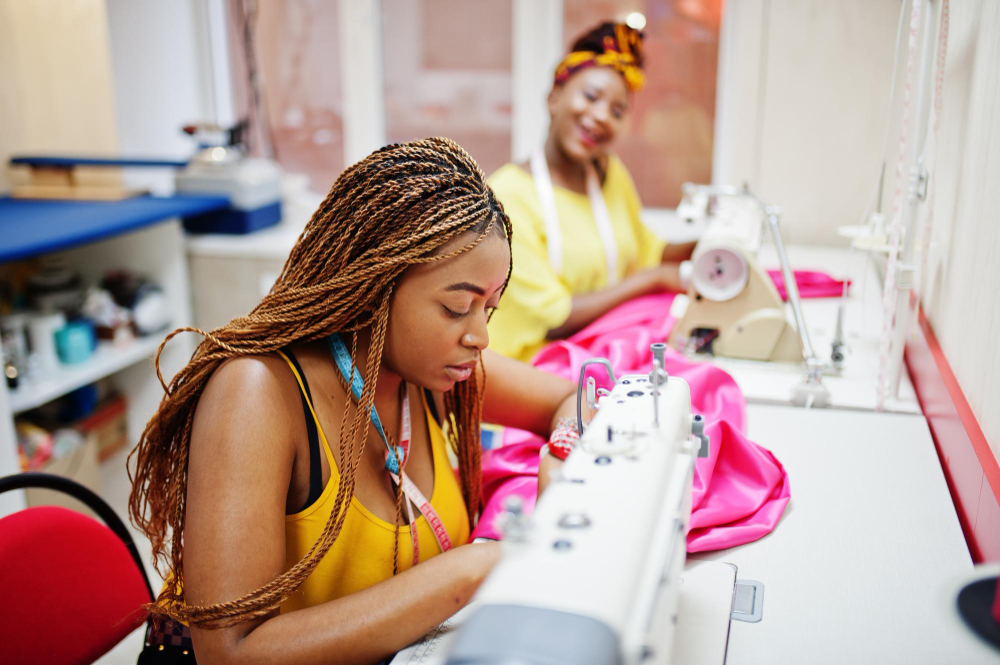
Corporate uniform branding in Kenya in 2026 is no longer just a logo slapped on a shirt. They’re a physical chapter of your brand story, a consistent, wearable signal that communicates professionalism, culture, and credibility every time an employee interacts with a customer. For procurement managers, HR teams, and brand leads in Nairobi and beyond, getting uniforms right means balancing image, comfort, compliance, and lifecycle cost. This guide walks you through the fabrics, production choices, printing technology, industry-specific solutions, and the procurement checklist you need to lock in a successful staff rollout in 2026.
1. The Fabric Revolution: Choose fabrics fit for Kenya’s climate and use
Not all fabrics are equal — and choosing the right one is the fastest route to fewer returns, better employee comfort, and longer service life.
CVC blends for Nairobi (and highland comfort)
CVC (Chief Value Cotton) blends, typically 60–65% cotton with polyester, offer the soft hand-feel of cotton with polyester’s dimensional stability. For Nairobi’s relatively mild climate and mixed indoor/outdoor roles (reception, front-office, field sales), CVC gives a premium look, controlled shrinkage, and fewer ironing headaches. It’s a favorite for executive polos and button-downs that need to read smart on camera and in-person.
Moisture-wicking for the Coast and active roles
For Mombasa, Kisumu, or any high-humidity deployment, and for staff on the move, moisture-wicking polyester or polyester blends are superior. Technical knits engineered to pull sweat away from skin (often branded as “quick-dry” or “DRI-FIT”) reduce discomfort and odor buildup. These are the go-to for hospitality teams, field technicians, and sports/activation staff.
Durability fabrics for industrial & manufacturing use
For garages, factory floors, and heavy-duty workwear, choose heavier weaves with reinforcement: poly-cotton canvas, ripstop blends, or flame-retardant (FR) treated cotton blends for compliance roles. Look for abrasion resistance ratings and double-stitched seams where applicable.
Tips when ordering fabric samples
- Request swatches and wash-test results (3–5 wash cycles).
- Ask for colour-fastness scores (important for dark corporate colours).
- Check pilling resistance and tensile strength for daily-use uniforms.
2. Stitching vs Buying Blanks: Why sewing and stitching services in Nairobi give better ROI
You can buy off-the-shelf blanks cheaply, but for any corporate program beyond a handful of items, bespoke stitching and tailoring pays back fast.
Custom fit reduces replacements
Off-the-shelf sizes produce more returns and reorders; custom-cut garments mean fewer re-issues. When you’re outfitting 200+ employees, even a 3% reduction in replacements is meaningful.
Reinforced seams and longevity
Sewing and stitching services in Nairobi that offer reinforced construction (triple-stitching on stress points, bartacks on pocket openings, overlocked hems) greatly extend the life of apparel in active or industrial roles. Ask the supplier to show seam samples — not just finished shirts.
Brand integrity: consistent fit & finish
When your brand demands a smart, uniform silhouette across store managers, field staff, and HQ, made-to-measure production ensures consistent collar height, sleeve length, and logo placement. This is why many large corporations choose local sewing services that control the entire production flow.
Cost comparison: blanks vs made-to-order
- Small runs of blanks: lower unit price but higher lifecycle cost (returns + reorders).
- Made-to-order: slightly higher upfront cost but lower total cost per employee for 12–18 month useful life.
Practical KPI for procurement: measure cost-per-year-per-employee rather than unit price. That flips the conversation to value, not lowest price.
3. Industry-Specific Solutions: Fit the uniform to the job
Different industries have different functional and visual needs. Below are practical recommendations for key sectors.
Technical / Industrial (Garages, ISPs, Field Technicians)
- Garments: Overalls, coveralls, and reinforced polo shirts.
- Fabric: Ripstop, heavy cotton blends, FR options where required.
- Construction: Reflective tape, reinforced knees, triple-stitching at seams.
- Branding: High-visibility printed or embroidered logos; consider heat-applied patches for durability.
Corporate / Office (Executive Polos, Button-Downs)
- Garments: Cotton-rich button-down shirts, CVC polos, lightweight blazers for client-facing teams.
- Fabric: CVC blends, mercerized cotton for sheen in executive wear.
- Branding: Minimal embroidery or tone-on-tone print for a premium look. Use high-density embroidery for tactile logos.
Manufacturing (Factory & Production)
- Garments: Dust coats, lab coats, safety vests, fitted overalls.
- Compliance: Adhere to PPE standards; where required, use FR-certified materials.
- Stitching: Reinforced seams, secure pockets, and closures that won’t snag on machinery.
4. Branding Technologies: When to use dye sublimation vs high-density embroidery
Choosing the right branding technology affects durability, aesthetics, and cost — match the method to fabric and use-case.
Dye Sublimation – Best for sports, full-colour panels and activewear
Works on polyester or polyester-coated substrates.
- Pros: Full-colour, photographic print that won’t crack, excellent for complex designs and vibrant gradients.
- Ideal for: Sports kits, promotional activewear, full-bleed designs.
- Note: Not suitable for 100% cotton garments.
High-Density Embroidery – Best for corporate and executive wear
- Pros: Premium tactile aesthetic, long-lasting, read well on blazers and shirts, highly professional.
- Uses: Executive polos, caps, company badges, and formal shirts.
- Combine embroidery with applique for multi-textured badges.
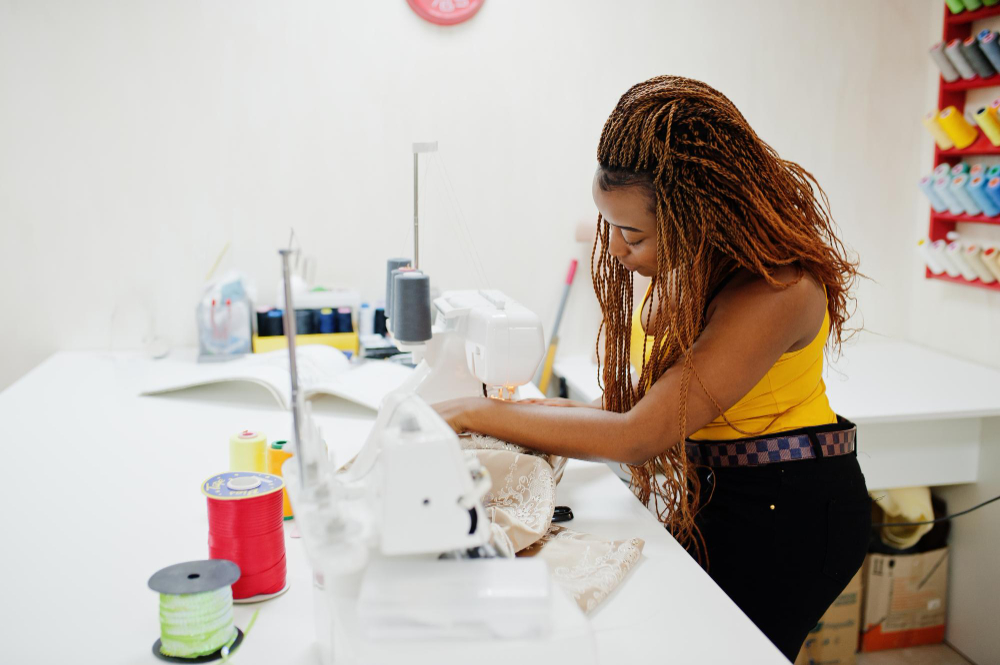
Screen Printing & Heat Transfer – Cost-effective for bulk runs
- Screen printing: great for simple one- or two-color brand marks on cotton or blends.
- Heat transfer: useful for small runs, numbers on sports kits, or when printing onto tricky substrates.
- For very large apparel orders, factor in set-up costs — offset-style unit-cost reductions begin at scale.
Practical production rule: for bulk corporate apparel intended for long-term wear, prioritize embroidery for logos and use dye sublimation for sports/activewear.
5. The Procurement Checklist: How to vet a reliable uniform supplier in Kenya
When evaluating a reliable uniform supplier in Kenya, use this checklist to remove ambiguity and reduce risk.
Supplier capabilities
- Do they offer both sewing and stitching services in Nairobi and in-house printing? (In-house control = fewer errors.)
- Can they handle your Minimum Order Quantity (MOQ) comfortably for your target batch sizes? (Ask for real examples.)
Quality & samples
- Request pre-production samples and a small pilot run.
- Confirm wash & colorfastness tests and ask for a sample sign-off workflow.
Turnaround & logistics
- Lead times: standard vs expedited — get clear SLA (standard: 7–14 days; expedited options available?).
- Fulfilment: Can they handle labelled bulk distribution (pack-and-ship by employee)? Do they manage returns and exchanges?
Compliance & safety
- For industrial and manufacturing uniforms, confirm compliance certificates (FR, hi-vis standards).
- Check the supplier’s safety data sheets for treated fabrics.
Pricing & payment
- Ask for a transparent pricing table: unit price tiers at 50, 100, 500, 1,000+ units.
- Clarify set-up fees, sample costs, artwork digitization charges, and packaging fees.
References & proof
- Request enterprise case studies and references. Ask specifically about on-time delivery and handling of urgent orders.
- Verify past clients in similar industries (banks, schools, manufacturing).
Technology & artwork
Confirm acceptance of vector logos (AI/EPS), color-matching capabilities (Pantone matching), and preflight checks for print files.
Customer service
SLAs for responses, a dedicated account manager, and a clear escalation path for quality issues.
Conclusion to Corporate Uniform Branding and Apparel Sourcing in Kenya
Corporate uniform branding in Kenya in 2026 is about more than cost; it’s a strategic asset that supports your brand story, employee morale, and customer-facing professionalism. Choose the right fabric for your climate and use case, invest in local sewing and stitching services to reduce lifecycle cost, match printing technology to garment function, and vet suppliers using a concrete procurement checklist.
Ready to turn your staff uniforms into a strategic brand asset?
Book a Bulk Consultation for your 2026 staff rollout, get a free procurement audit, sample pack and a tailored cost-per-year model for your team.